What Is Automation Mining?
Automation is playing an increasingly important role in mining operations worldwide, and Australia is a significant contributor to that shift. In 2024, Australia accounted for 5.5% of the global mining automation market by revenue, reflecting the scale of local adoption across major resource projects.
Automation is changing how mining operations plan, operate and scale. Across the country, mining companies are adopting automated and semi-autonomous systems to improve productivity, manage risk and support safer working environments. Rather than replacing traditional mining practices, automated mining builds on them by using technology to assist people, equipment and decision-making on site.
Understanding what automation mining is helps operators see where it fits within their operations and how it can support current and future production goals.
What is automation mining?
Automation mining refers to the use of technology, machinery and control systems to perform mining tasks with reduced manual intervention. This can range from automated equipment that assists operators to semi-autonomous systems that manage specific functions independently under defined conditions.
Many operations begin by automating individual tasks or pieces of equipment, such as dozer operations or drilling processes. These systems are supported by monitoring, communication and control technologies that allow teams to oversee performance and respond when needed.
Key benefits of automation in mining
Automation is adopted in mining operations to deliver practical improvements that enhance site performance.
- Improved productivity and consistency
Automated systems help equipment operate with more consistent output across long shifts, supporting smoother production cycles.
- Safer working environments
Automation allows personnel to be positioned away from high-risk areas while maintaining oversight of critical tasks.
- Better equipment utilisation
Automated processes can reduce idle time, improve machine coordination and support more efficient use of site assets.
- Support for continuous operations
Automation helps maintain momentum across operations, particularly on large or remote sites where downtime has a greater impact.
How automation is used in modern mining operations
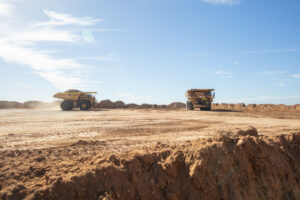
Automation is already part of many active mining sites across Australia. In 2022, the country operated a fleet of 706 autonomous trucks, up from 561 in 2021, highlighting the pace of adoption across major sites.
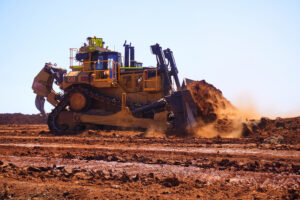
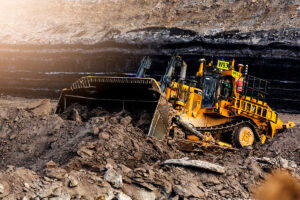
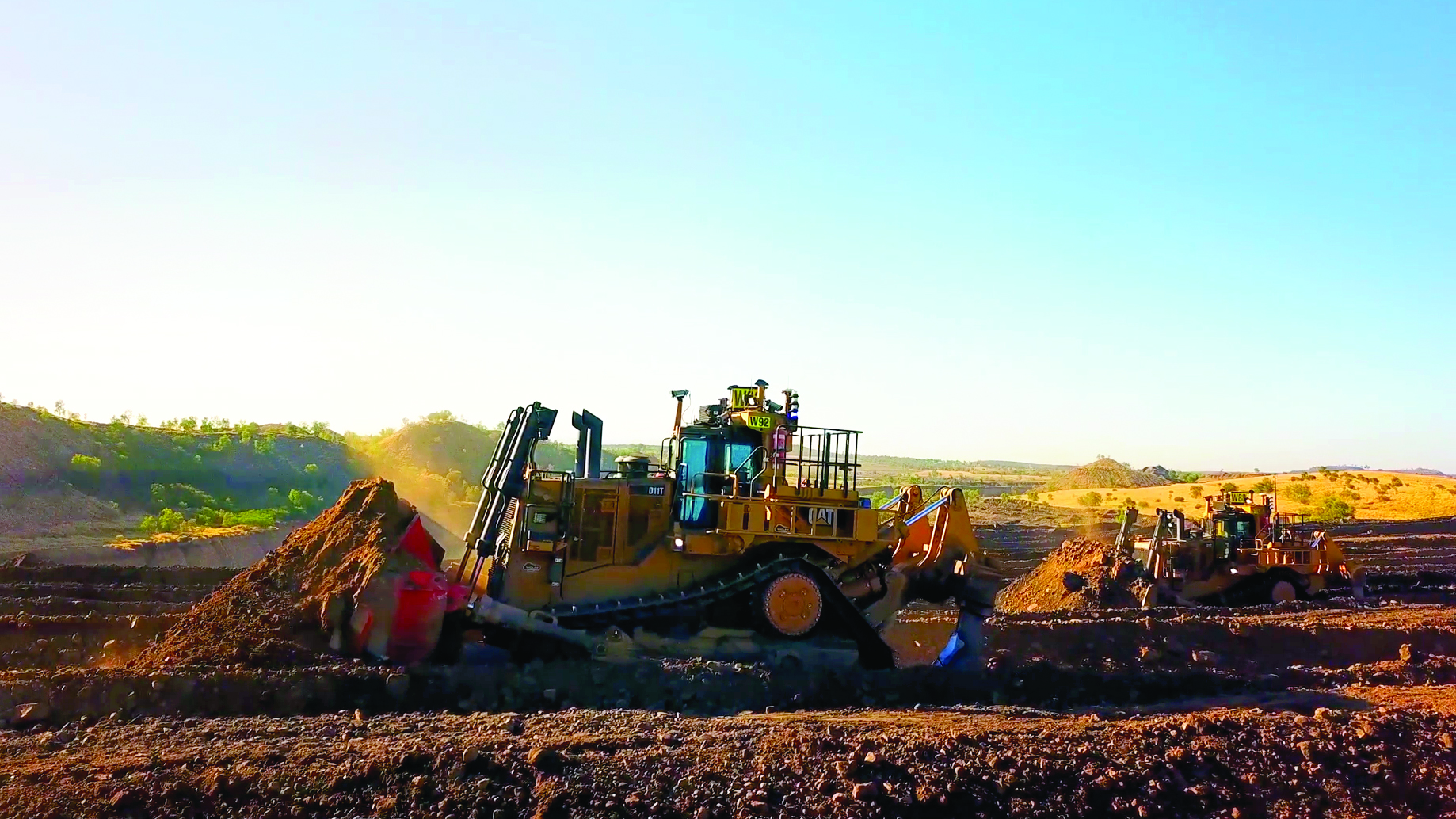
In earthmoving, automated and semi-autonomous dozers are used to support bulk material movement with consistent performance. These systems can operate within defined parameters while remaining under active supervision.
Automation is also applied in drilling and blasting support, where systems assist with accuracy, sequencing and monitoring. This helps improve repeatability and reduces the margin for error across critical stages of the mining process.
Remote monitoring and control technologies play a supporting role across automated operations. These systems provide real-time visibility of equipment performance and site activity, allowing teams to make informed decisions without being physically present in every operational area.
Why automation mining matters in Australia
Australia’s mining industry operates at a scale and complexity that makes automation particularly relevant. Large sites, remote locations and demanding production targets place pressure on both equipment and workforce availability.
Automation mining helps address these challenges by supporting continuous operations and reducing reliance on manual intervention in high-risk environments. It also provides flexibility for operations that must manage changing conditions, from weather impacts to workforce constraints.
Key regions driving automation adoption include Western Australia, Queensland and New South Wales. These states lead due to their concentration of mineral resources, established mining infrastructure and regulatory frameworks that support technological advancement. The presence of major mining operators and a highly skilled workforce further strengthens their role in shaping Australia’s mining technology landscape.
Challenges and considerations when adopting automation
While automation offers clear benefits, successful adoption depends on careful planning and operational readiness.
- Integration with existing fleets and workflows
Introducing automated systems requires technical assessment to ensure compatibility with current equipment, processes and site layouts.
- Workforce readiness and training
Automation changes how teams interact with machinery and control systems, making training and operational alignment essential.
- Site suitability and operational fit
Not every site or task is suitable for immediate automation. Assessing site conditions, production requirements and equipment capability helps identify where automation delivers the most value.
- Staged implementation
A phased approach allows automation to be introduced in a controlled way, building capability without disrupting production or site performance.
Explore automated mining services with Wolff Mining
Automation mining is now a practical part of modern mining operations across Australia, supporting productivity, safety and large-scale or remote sites. With careful planning and staged adoption, automation can support operational goals while maintaining strong site control.
At The National Group, we support this shift through more than three decades of experience supplying heavy earthmoving equipment and delivering end-to-end mining services to leading resource companies. Under the National Group, Wolff Mining leads automated mining across Australia, supporting automated and semi-autonomous solutions across earthmoving, drilling and site operations.
To learn how automated mining services with Wolff Mining can support your operation, get in touch with the team today.