Dry Hire Vs Wet Hire: What’s The Difference?
Hiring equipment for a mining or construction project often comes down to one critical decision: dry hire vs wet hire. This choice can affect everything from project cost to safety outcomes. While both options provide access to heavy machinery, the difference between wet and dry hire lies in the level of control and responsibility you’re willing to manage.
Understanding the key features of each approach helps you make the right call based on your team’s capabilities, project timeline and compliance requirements. Let’s take a closer look at what dry and wet hire really mean in practice.
Understand dry hire and how it fits into your operations
Dry hire meaning
If you’re asking, “What is dry hire?” it refers to hiring machinery without an operator. In this setup, your team takes full control of the equipment. You’re responsible for providing trained operators, managing daily operations and ensuring the machinery is used correctly on site.
Dry hire is a suitable option when:
- You have a reliable in-house crew with the right licences and experience
- You prefer to manage operations internally and reduce labour hire costs
- You want flexibility in how and when equipment is used
What does dry hire mean for businesses looking to stay agile? It means more flexibility in contract terms, fewer delays waiting for personnel and the ability to match the equipment to your team and timeline. Many providers offer short or long-term hire, maintenance options and even hire-to-buy arrangements. These features allow businesses to adapt to project demands without being locked into rigid service structures.
Know when wet hire works best
Wet hire meaning
If you’re wondering, “What is wet hire?” This model delivers both machine and manpower — ideal for teams that need a ready-to-go solution. The provider supplies not only the machine but also a trained professional to operate it throughout the hire period. This type of hire is especially valuable when time, safety or workforce capacity are major factors.
Wet hire is the better choice when:
- Your project requires immediate deployment and skilled labour
- You do not have access to trained machine operators
- You want to reduce liability or ensure consistent compliance
What does wet hire mean for project managers? It can take pressure off your internal team, allowing them to focus on other responsibilities while the operator handles site machinery. This approach suits high-risk environments where machine control must be precise and safety records are critical.
Find the right hire solution with National Group
Dry hire vs wet hire options offer clear advantages. The best fit depends on your internal capabilities, timeline and job complexity.
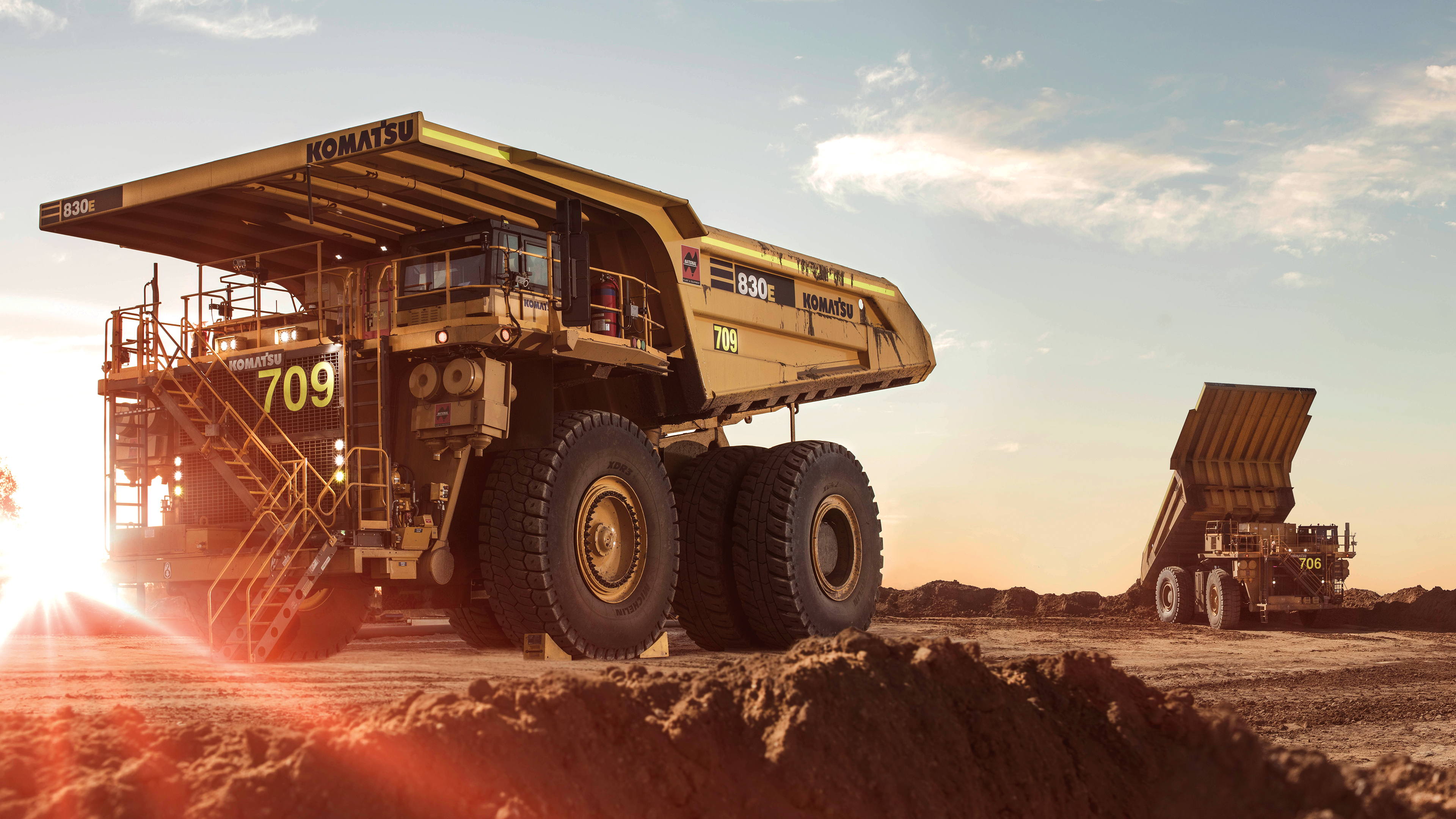
At National Group, we offer both hire models across Australia. Through our specialist division, National Plant & Equipment, we support mining and civil projects with one of the largest heavy equipment fleets in the country. From dump trucks and excavators to graders and drills, our machines are backed by flexible hire terms, short and long-term contracts and skilled maintenance teams.
Get in touch to discuss your dry or wet hire needs. We’ll help you find the right heavy earthmoving equipment rental to keep your project moving.